
Wholesale Orders: Collecting Large Invoices in Stages
By PayEurasia Editorial Team · 14 October 2026 · 2 min read
Last updated 14 October 2026
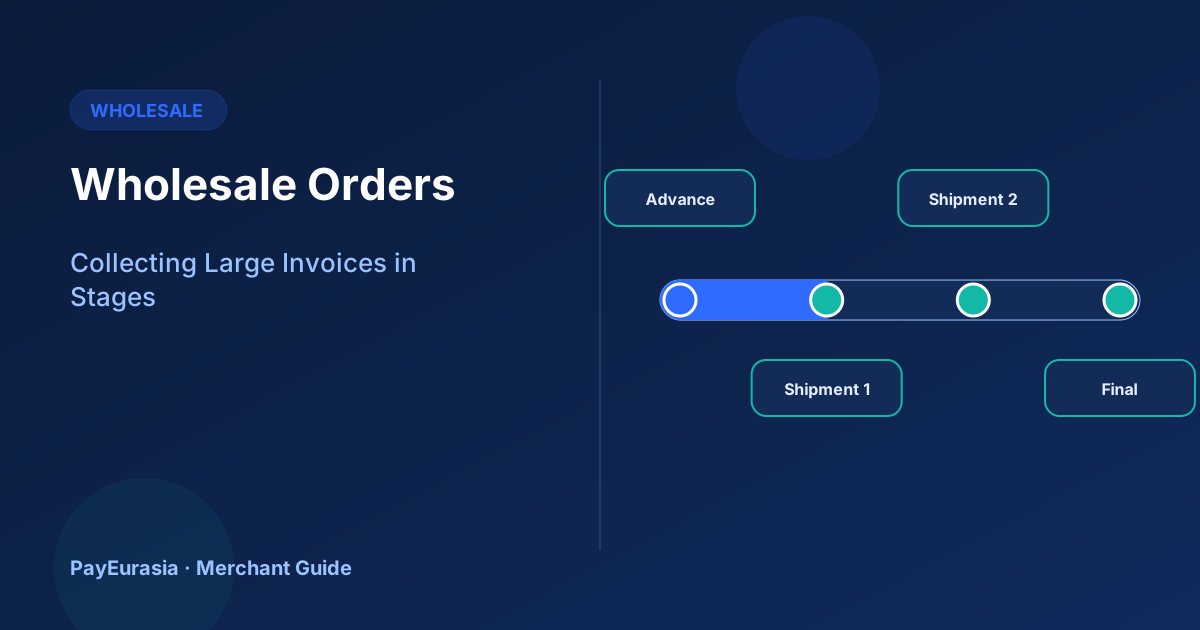
How wholesalers and distributors can split large orders into staged payments, track balances per shipment and keep credit risk under control.
The short answer
Large wholesale orders are easier to collect in agreed stages: an advance on order, payments tied to each shipment or milestone, and a final balance. Each stage should have its own invoice or line with a reference, a due date and a clear link to what has been delivered. Staging protects your cash flow and makes disputes about partial deliveries much easier to resolve.
Why staging helps both sides
Buyers may not want to pay the full amount before seeing goods. Sellers do not want to ship everything on credit. Stages share the risk and match payment to progress.
Common staging patterns
- Advance + balance on delivery: simple, for single shipments.
- Per shipment: each delivery invoiced and paid separately.
- Milestones: for production orders, for example materials purchased, goods produced, goods shipped.
Choose the pattern in the contract and keep it consistent across invoices.
What each stage invoice should show
- Master order number and stage number, for example WO-221-S2.
- What the stage covers (items, quantity, shipment number).
- Amount, due date and payment instructions with the reference.
- Running summary: total order value, paid so far, remaining.
Credit limits
If you allow buyers to pay after delivery, set a credit limit per buyer and pause new shipments when overdue invoices exceed it. Make this rule known in advance.
Handling shortfalls and returns
When a shipment is short or damaged, issue a credit note against that stage rather than editing the invoice after the fact. This keeps your records and the buyer's records aligned. See partial refund bookkeeping for related guidance.
Monthly statement
Send each buyer a statement listing all stages, payments received and open balances. Ask them to confirm or raise differences within a set time.
Scenario
A rice distributor agrees with a retailer chain on a 2 million taka order in four shipments. Each shipment has its own invoice due 15 days after delivery. When shipment three arrives with 20 bags damaged, the distributor issues a credit note for that stage only. The chain pays the adjusted amount, and the remaining stages stay unaffected.
Documents that support each stage
Attach supporting documents to each stage invoice: delivery note signed by the buyer, goods received confirmation or inspection report. When a buyer disputes a stage, these documents usually settle the question quickly. Keep them stored with the invoice in your accounting system rather than in separate email threads, so whoever handles the account later can find them.
Frequently asked questions
Should I accept one large transfer for all stages?
You can, but allocate it stage by stage in your ledger and confirm the allocation to the buyer.
What if the buyer pays late?
Follow the terms in your contract, starting with a reminder and statement.
For collection options for business buyers, contact PayEurasia.
Talk to PayEurasia
Working in a high-risk vertical across South Asia? We can probably help.
Request integration →