
Tuition Fee Collections: Matching Student Invoices to Payments
By PayEurasia Editorial Team · 14 October 2026 · 2 min read
Last updated 14 October 2026
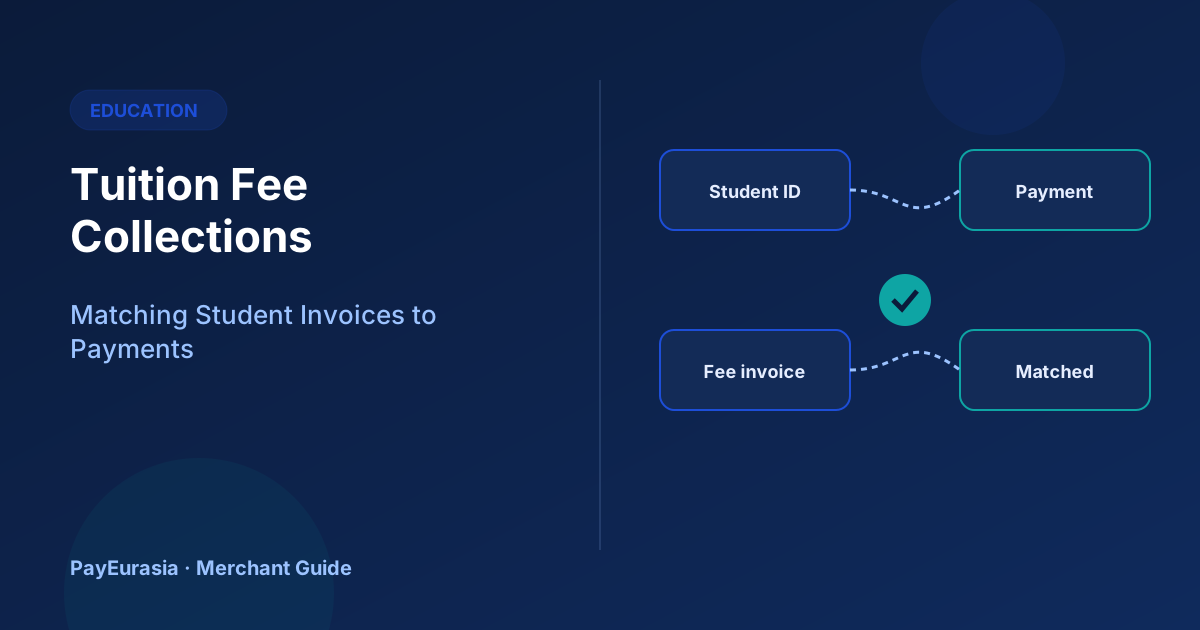
How schools, coaching centres and training institutes can issue fee invoices with student references, collect online and match payments to the right student.
The short answer
Tuition payments match correctly when every invoice carries a unique student-and-term reference, parents pay through a channel that keeps that reference, and the accounts team records each payment against the invoice, not just the student name. Many schools struggle because siblings share names, parents pay several terms at once, or amounts are rounded.
Build the reference first
Use a format such as STU1042-T2 for student 1042, term 2. Print it on the invoice, in the payment link and on reminders. Ask parents to use it exactly. Avoid relying on names, which are often spelt differently.
Choosing collection channels
Common options are online payment links per invoice, wallet or bank transfers with the reference, and payments at the office. Online links carry the reference automatically, which saves the most time. Whatever you offer, publish the instructions in one place.
Handling the tricky cases
- Siblings: issue separate invoices, or a family invoice that lists each student reference.
- Several terms at once: allocate the payment term by term and show any credit.
- Partial payment: record it, show the balance and agree a due date for the rest.
- Scholarships and discounts: apply them on the invoice before sending, not as adjustments after payment.
Daily matching routine
- Export the payment report from your provider or bank.
- Match by reference first, then by amount and date for leftovers.
- Put unmatched items in a separate list and contact the payer.
- Send receipts only for matched payments.
Receipts parents can use
Include the school name, student name and ID, term, amount paid, date, method and transaction reference, plus any balance. Parents often need these for their own records.
Privacy
Fee records include children's information. Limit who can see them, avoid sharing lists in group chats, and follow the record-keeping rules that apply to your institution.
Scenario
A coaching centre with 600 students switches from cash counters to invoice-linked payment links. The accountant now matches most payments automatically and spends her time only on a short list of unmatched transfers, usually from parents who typed a name instead of the reference.
Reminders and late fees
Send reminders a few days before the due date, on the due date and one week after, each repeating the reference and amount. If your institution charges late fees, publish the rule at the start of the term and add the fee as a separate line on a new invoice rather than changing the original amount. That keeps the original invoice, the payment and the fee easy to follow when parents query a balance.
Term-end checks
Before results or certificates are released, produce a list of open balances by class, so administrative decisions are based on records rather than memory.
Frequently asked questions
Can parents pay in instalments?
Yes, if you set up an instalment plan with dates and record each payment against the same invoice.
What if a payment arrives with no reference?
Check amount and date against open invoices, then confirm with the payer before allocating it.
To discuss fee collection options, contact PayEurasia.
Talk to PayEurasia
Working in a high-risk vertical across South Asia? We can probably help.
Request integration →