
Hybrid Online and In-Store Payments: One Order Record
By PayEurasia Editorial Team · 14 October 2026 · 2 min read
Last updated 14 October 2026
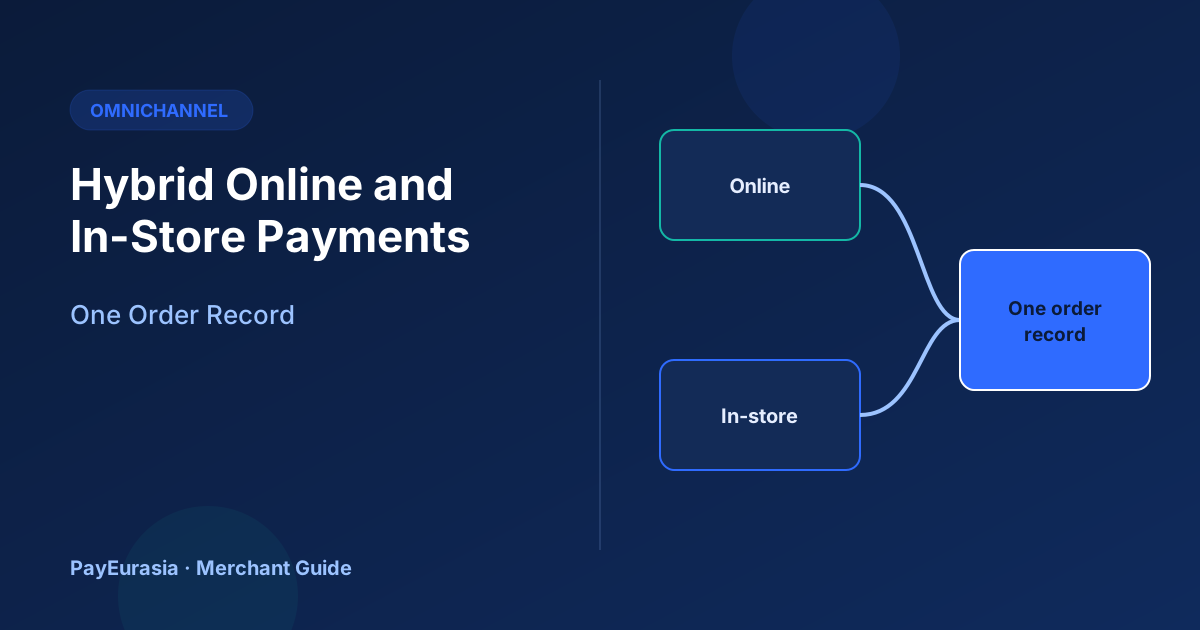
How merchants selling both online and in a physical shop can keep one order record across channels, including click-and-collect, in-store returns and mixed payments.
The short answer
When customers can order online and pay or collect in store, every order should live in one record that shows where it was created, how it was paid, where it was fulfilled and any refunds. Use one order numbering system across channels, and make sure in-store staff can see and update online orders.
Common hybrid scenarios
- Order online, pay online, collect in store.
- Order online, pay in store on collection.
- Buy in store, return or exchange online.
- Part payment online, balance in store.
Each one breaks if online and shop systems keep separate records.
One order number
Use a single format, for example ORD-24001, whether the order starts online or at the till. Print it on receipts and collection messages. Staff should be able to search it in one place.
Payment status visible to the shop
In-store staff need to see whether an online order is paid, partly paid or unpaid before handing it over. Give them read access to payment status, not access to sensitive payment details.
Click-and-collect checks
- Customer shows the order number and a simple ID check, such as the phone number used.
- Staff confirm payment status in the system.
- Collect any balance and record it against the same order.
- Mark as collected with time and staff name.
Returns across channels
If an online order is returned in store, refund to the original payment method where possible and record the refund on the original order. Avoid cash refunds for online payments unless your policy and records support it.
Reconciliation
Daily, compare paid orders by channel with the provider and till reports. Hybrid orders often show up as differences when one part is recorded online and the other in store.
Scenario
A bookshop takes online orders for collection. Customers often pay again at the counter because staff cannot see online payment status. After giving staff a simple order lookup screen, double payments stop.
Stock across channels
Hybrid selling also needs one stock count. If online and shop stock are separate, an item can be paid for online while the last one is sold over the counter. Reserve stock for an online order as soon as payment is confirmed and show staff which items are held for collection. If an item is no longer available, contact the customer before they travel to the shop and offer a refund or alternative.
Staff training
Make sure staff in the shop know how to search online orders, read payment status and record a balance or refund. A short written procedure next to the till helps on busy days.
Frequently asked questions
Do I need expensive software?
Not always. Many ecommerce and POS tools can share orders; even a careful shared system with clear rules is better than two separate ones.
How do I handle loyalty points across channels?
Tie them to the same customer and order record.
To discuss collection options, contact PayEurasia.
Talk to PayEurasia
Working in a high-risk vertical across South Asia? We can probably help.
Request integration →