
Travel Booking Payments: Coordinating Availability and Confirmation
By PayEurasia Editorial Team · 14 October 2026 · 2 min read
Last updated 14 October 2026
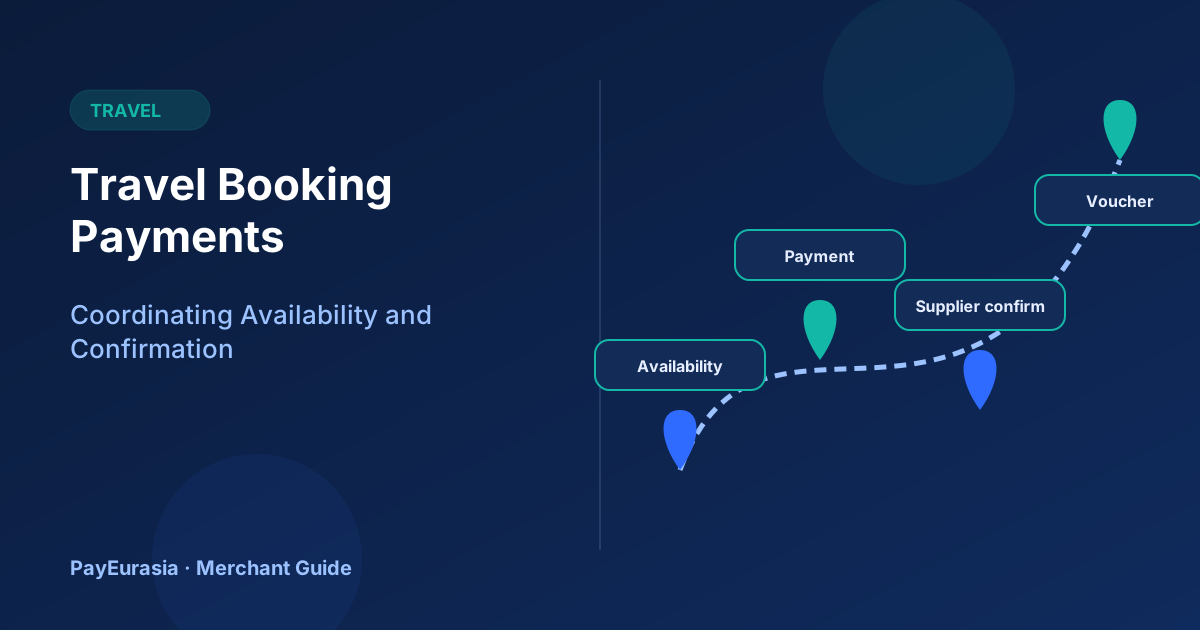
How travel agencies and tour operators can coordinate supplier availability, customer payment and booking confirmation without charging for trips they cannot confirm.
The short answer
In travel, a customer's payment and a supplier's confirmation are two separate events. Avoid telling customers a trip is "confirmed" until both have happened. Hold availability before taking payment where you can, confirm with the supplier right after payment, and have a fast refund path for the cases where the supplier cannot confirm.
Where things go wrong
A customer pays for a bus seat, a tour or a package. Meanwhile the supplier sells the last seat elsewhere or changes the price. The agency now holds money for a trip it cannot provide. The fix is ordering the steps correctly and communicating each step.
Recommended sequence
- Quote: show the price with all taxes and fees, valid for a stated time.
- Hold: reserve with the supplier if they allow holds.
- Collect payment: with your booking reference attached.
- Confirm with supplier: using the paid booking.
- Send voucher: only once the supplier confirms.
If step 4 fails, contact the customer immediately with alternatives or a refund.
Wording that keeps you honest
- After payment: "Payment received. We are confirming your booking with the operator and will send your voucher shortly."
- After confirmation: "Your booking is confirmed. Voucher attached."
Avoid sending "Booking confirmed" emails automatically on payment.
Multi-component trips
Packages combine several suppliers. Track each component's status separately: hotel confirmed, transport pending, tour confirmed. Do not issue the full itinerary until all are confirmed, or clearly mark pending parts.
Deposits and balances
For trips booked far ahead, a deposit with the balance due before travel is common. State the due date and what happens if the balance is missed. Record both payments against one booking reference.
Refund and change rules
Supplier rules vary. Explain in plain words what the customer can change, by when, and what it costs. Do not promise refunds the supplier will not give you.
Scenario
A tour agency selling weekend trips starts holding seats with its transport partner for 30 minutes before payment. Failed confirmations drop sharply, and the few that remain are refunded the same day with an apology and an alternative date.
Keeping supplier and customer records aligned
For every booking, store the supplier's confirmation number next to your own booking reference and the customer's payment reference. When suppliers send changes, update your record first and then inform the customer, so support staff always see the latest version. At month end, compare what you paid suppliers with what customers paid you per booking; differences usually reveal unbilled changes or refunds that were not passed on.
Frequently asked questions
Should I take full payment upfront?
It depends on supplier terms and trip value. Many agencies take a deposit for longer trips and full payment for short ones.
How do I handle currency changes for international suppliers?
Quote in the customer's currency with a validity period, and see our guide on FX for merchants.
To discuss collection options, contact PayEurasia.
Talk to PayEurasia
Working in a high-risk vertical across South Asia? We can probably help.
Request integration →